Find out where the reflection comes from
A bright patch across an eye can come from a window, a lamp or the camera’s flash reflecting off a lens. Shiny skin can also catch a small, intense light source. Inspect the original rather than judging only a small upload thumbnail.
Move the light or the camera setup and take another trial frame. A reflection recorded over the iris is different from glare on your screen while you view the photograph. Check the downloaded file in ordinary viewing conditions before deciding.
Resolve glasses rules before adjusting the lighting
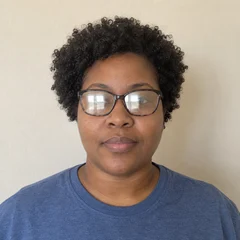
Some documents prohibit glasses except for specific medical circumstances, while others allow them under conditions. Read the document’s rule first. Turning the head to hide a reflection may introduce a pose problem instead of resolving the original issue.
When a documented exception applies, keep the eyes visible and the camera level. Do not erase a lens reflection with a painting or face-enhancement tool and assume the edited image is acceptable. The exception process and the visibility requirement are separate questions.
Try a broader and more even light source
Begin with soft daylight rather than a bare light aimed directly at the face. If a window creates a distinct bright reflection, change the relative position of the light and the person while keeping the face directed toward the camera. Take trial images after each change.
Avoid correcting a dark side of the face with a colored lamp on the opposite side. Mixed light can make the skin look inconsistent. One even source is easier to judge than several differently colored sources.
Judge the next frame before preparing a final file
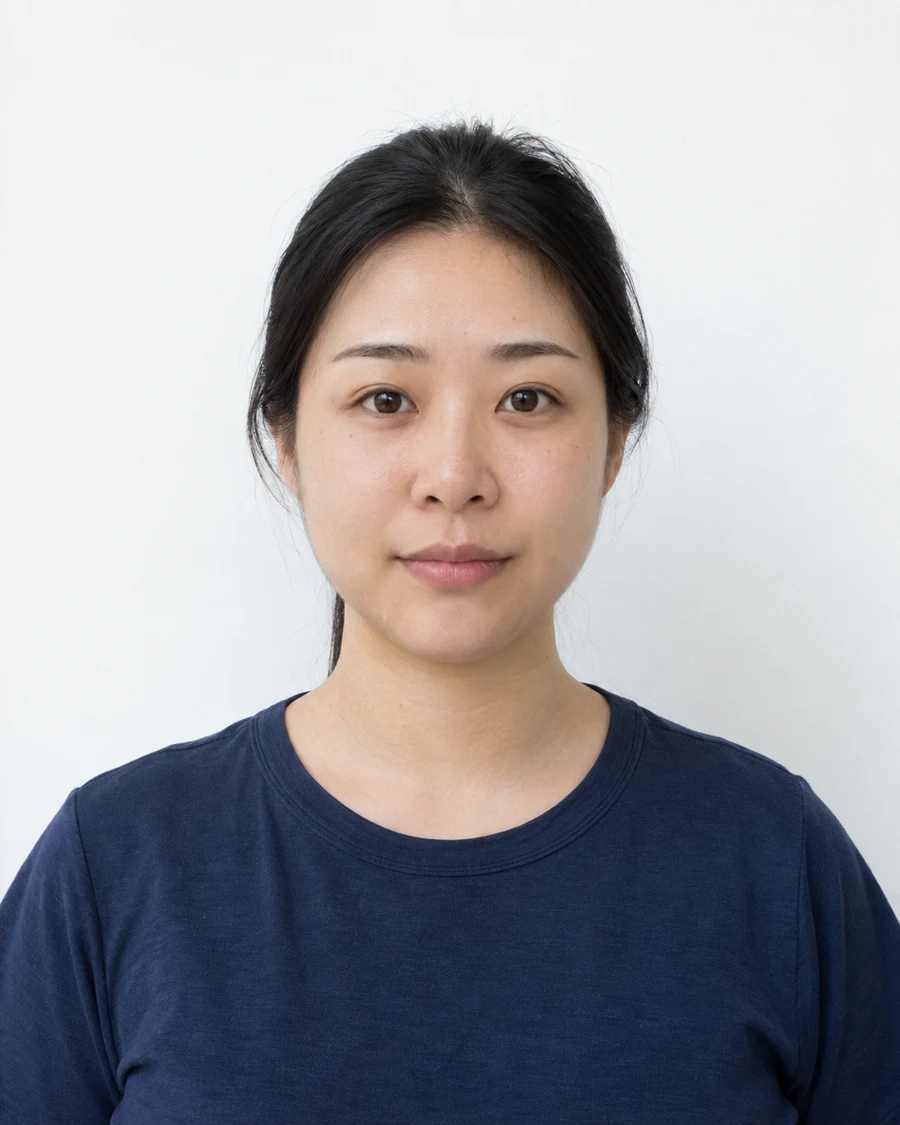
Compare both eyes, the cheeks and the forehead. Ask whether the light has hidden detail or created a shadow across one side of the face. If the new frame is clearer, keep it as a separate source before cropping.
Singapore ICA has specifically identified uneven brightness, facial shadows and spectacles glare as sources of rejected photographs. The practical lesson is to inspect those details at capture time. A clean background or a small file size cannot make an obscured eye clear again.
Avoid a pose fix that creates a framing problem
Tilting the chin down or turning the head can move a reflection away from the eye, but it also changes how the face is presented. Keep a direct, level pose while testing a different light position. Ask the helper to compare the two eyes at the same scale in the trial photographs.
If glasses are permitted under the applicable exception, check the lens reflection and the frame separately. A clear lens can still leave a thick frame over an eye. Keep the person comfortable and resolve the official exception requirements rather than adjusting medical equipment solely to match a generic sample picture.
Sources and further reading
Singapore ICA guidance on photo lighting and reflections ↗US Department of State passport photos ↗Requirements can change. Check the official instructions for your application before submitting.
Merodim is an independent photo-preparation service, not a government agency. Find your document →